


ANSI Z308.1-2021 divides workplace First Aid kits into two classes based on hazard level and the types of injuries likely to occur. Choosing the wrong class can leave a facility non-compliant during an OSHA inspection, or understocked during an actual emergency.
Certified Safety Manufacturing specializes in ANSI-compliant First Aid kits, cabinets, and replenishment supplies for commercial and industrial workplaces. With more than 50 years of manufacturing experience, the company produces First Aid kits that meet or exceed the requirements of ANSI Z308.1-2021 across both class designations.
Learn more about ANSI classifications, Class A 21 specifications for low-risk zones, and Class B 21 specifications for high-risk zones.
What Are ANSI Classes?
The ANSI Z308.1-2021 standard establishes the minimum performance requirements for workplace First Aid kits. This classification framework divides First Aid equipment into two distinct categories based on the volume, variety, and intended application of the enclosed supplies. Under these guidelines, a facility’s physical size and inherent operational hazards dictate the required kit contents.
OSHA standard 1910.151 mandates that employers provide supplies for employee First Aid, but it relies on ANSI guidelines to define the exact product assortments. Evaluating an ANSI Class A 21 vs. Class B 21 First Aid kit ensures your facility meets federal safety obligations while minimizing liability. Selecting the wrong classification can result in non-compliance penalties during formal safety inspections.
Class A 21 Overview
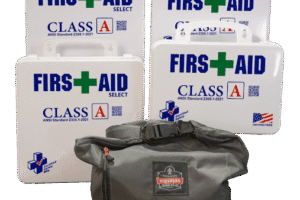
Class A 21 First Aid kits are engineered to treat the most common types of workplace injuries, such as minor cuts, scrapes, and light burns. These units are typically deployed in low-risk operational environments where personnel work in centralized spaces. Common applications include corporate offices, standard retail stores, and climate-controlled administrative centers.
The baseline Class A 21 First Aid kit requirements involve a mandatory assortment of 16 essential items, totaling at least 60 individual pieces. These supplies include adhesive bandages, antiseptic applications, burn treatments, eye washes, and exam gloves. If your facility expands or introduces new equipment, safety managers must re-evaluate these Class A 21 First Aid kit requirements to determine if a larger system is necessary. Regular re-evaluation of kit class and contents protects organizations from inventory gaps as facilities change. We design our standard cabinets to allow rapid inventory checks during routine monthly audits.
Class B 21 Overview
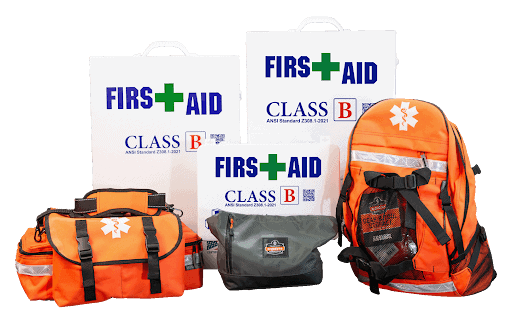
Class B 21 First Aid kits are designed for broader, more severe injuries that occur in high-risk or high-density industrial environments. These serve larger employee populations and provide specialized trauma items to stabilize complex injuries until emergency services arrive. Heavy manufacturing plants, active construction zones, industrial warehouses, and chemical processing facilities require this heightened level of First Aid readiness.
The current Class B 21 First Aid kit requirements demand a much larger inventory to handle complex traumatic events. A compliant First Aid kit must contain at least 21 distinct item types, leading to a minimum component count of 115 pieces. Under these strict Class B 21 First Aid kit requirements, the inventory must include advanced tools such as a structural splint and a tactical tourniquet to address bone fractures and severe hemorrhaging. Our heavy-duty cabinets organize these critical components systematically to accelerate access during high-stress emergencies.
How to Choose
Selecting between an ANSI Class A 21 vs. Class B 21 First Aid kit requires a thorough workplace hazard assessment. Procurement teams must analyze the specific injury risks associated with local machinery, the total number of workers on a single shift, and the physical distance to the nearest hospital. High-risk zones always necessitate expanded emergency supplies.
- Environmental Severity. Warehouses with heavy machinery, cutting tools, or elevated fall risk require the trauma supplies, tourniquets, splints, and advanced wound dressings found in Class B 21 First Aid kits.
- Physical Distance. If your facility sits far from emergency services, the advanced items in a Class B 21 First Aid kit help bridge the gap during extended response times.
Shop by Class
Maintaining corporate compliance shouldn’t complicate your procurement workflow. At Certified Safety Manufacturing, we supply certified First Aid Kits and Cabinets tailored to rigorous industrial specifications. Every unit is filled and packaged to meet or exceed the minimum requirements of ANSI Z308.1-2021.
Explore our dedicated Class A 21 First Aid Kits and Cabinets to meet standard Class A 21 First Aid kit requirements and protect your administrative spaces. For heavy industrial areas and high-risk production zones, view our full line of Class B 21 First Aid Kits and Cabinets to fulfill mandatory Class B 21 First Aid kit requirements and secure the necessary trauma gear.
Contact our team to discuss bulk specifications or volume pricing, or Shop Today.