


Weekend Warrior? Why Your Truck, Cabin, or Camp Needs a First Aid Kit Too
The truck is packed. The rifles or rods are cased, the cooler is full, and the tank is topped off. You have a headlamp, spare batteries, and enough jerky for the whole crew. But ask where the first aid kit is, and the answer is often a shrug, a dusty box under the seat, or a half-empty pouch from three seasons ago.
If you spend your weekends hunting, camping, or working off the grid, you know how fast a good day can turn. A slip on wet rock, a fishhook, a deep cut from a field knife, a tick on the back of your neck. Most of these stay minor when the right supplies are within reach, and get a lot worse when they are not. Here is why a first aid kit belongs in your truck, your cabin, and your camp, and what to put in each one.
Why Remote Trips Raise the Stakes
Help is not always close. The places that make a great trip, such as back roads, timber, and open water, are often the places where cell service is limited and the nearest emergency room is a long drive away. Even a small injury can become a bigger problem if you cannot clean it, cover it, and keep it protected until you reach care.
Wildlife adds to the risk. CDC and NIOSH list venomous snakes as a serious hazard for outdoor workers, and the same snakes, spiders, and ticks share the woods and fields with hunters and campers. A kit does not replace medical care, but it covers the gap between the moment something happens and the moment you get help.
One Kit Is Not Enough: Where to Keep Them
In the Truck
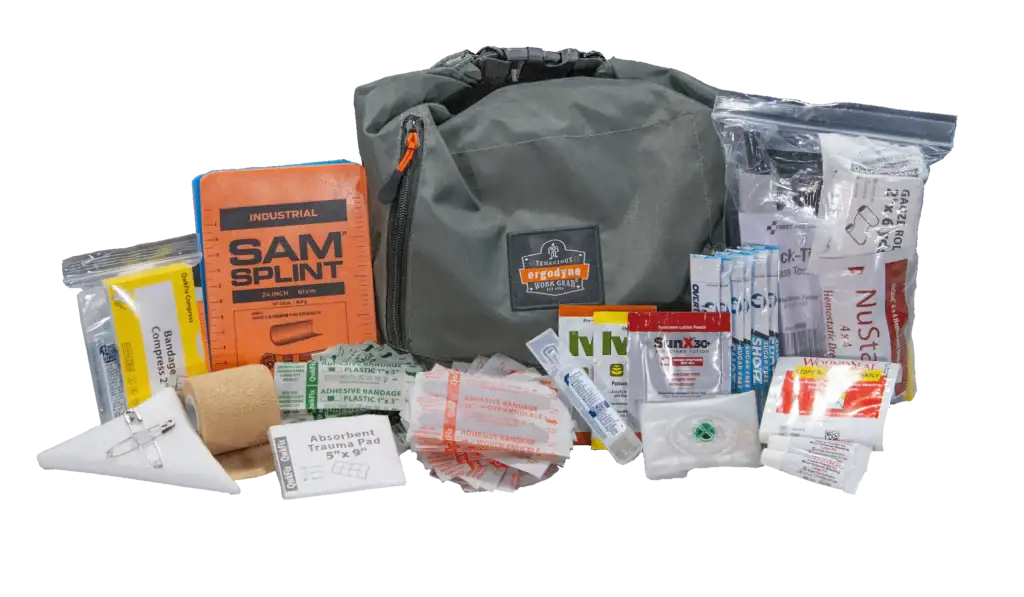
Your truck goes everywhere you go, which makes it the best place for your main kit. Keep it where you can reach it fast, not buried under gear and coolers. Certified Safety Mfg First Aid kits are built for trucks, work sites, camps, and vehicles. Check it at the start of every season, replace anything you used, and swap out anything that has expired.
At the Cabin
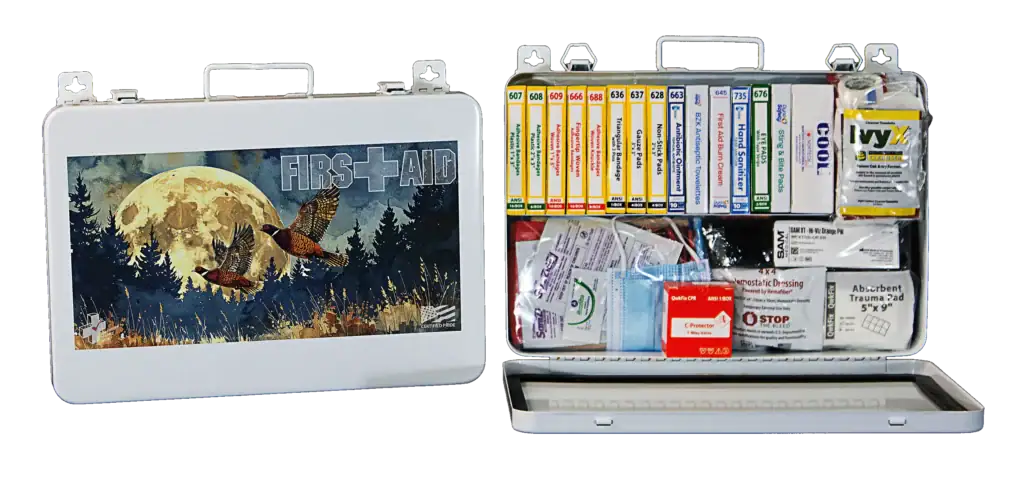
A cabin may sit empty for weeks, and supplies tend to sit with it. Keep a larger kit or a cabinet in a spot everyone knows, and go through it when you open the place up for the season. Kits, cabinets, and bags come in sizes that fit a cabin wall, a closet shelf, or a gear room.
At Camp and on the Trail
Camp is where a small grab-and-go kit earns its place. Keep one in your pack or tent, and make sure everyone in the group knows where it is. For boating and fishing trips, the Watercraft First Aid Kit (K626014) is a 40-piece kit in a watertight 8 mil inner bag and durable poly box, built for boats, fishing operations, and other time-away-from-help settings.
What to Pack for Hunting, Camping, and Off-Grid Work
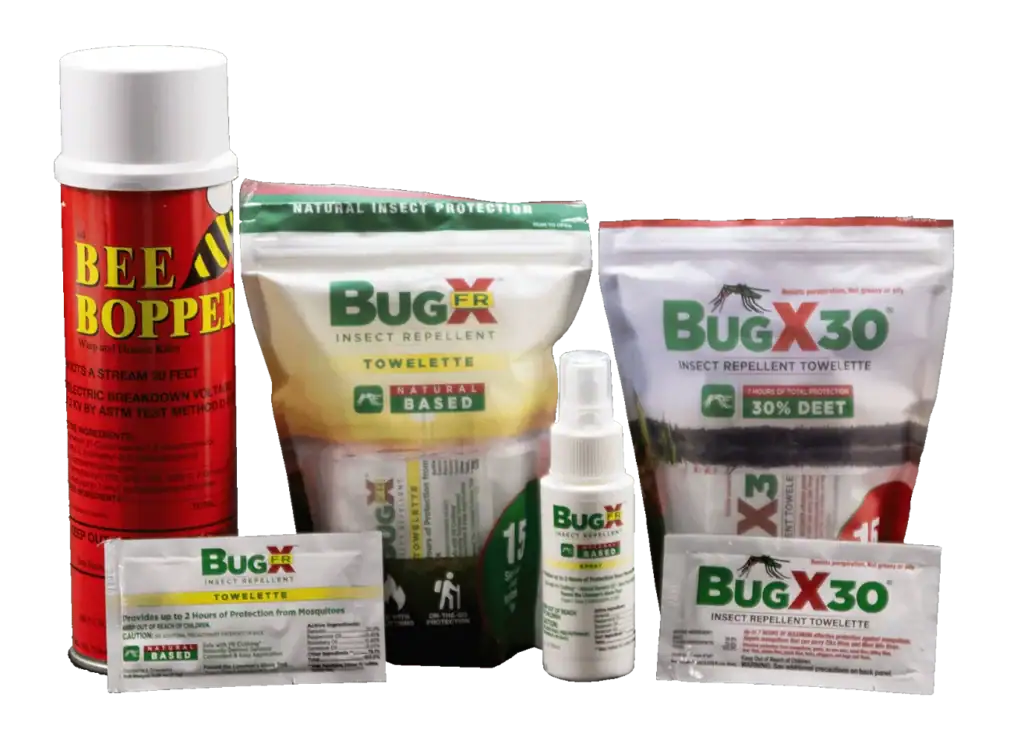
Start with the basics for cuts, scrapes, and bites, then add what your trips call for.
| Item | Why it belongs in the kit | Shop |
|---|---|---|
| ANSI Class B first aid kit | ANSI Z308.1-compliant base kit for trucks and job sites; start here, then add the items below. | Class B ANSI Kits |
| ANSI Class A first aid kit | ANSI Z308.1-compliant base kit for smaller groups and everyday injuries; add the items below. | Class A ANSI Kits |
| Antiseptic wipes | Clean scrapes and minor cuts. | Antiseptics |
| Antibiotic ointment | Minor cut and scrape care once the wound is clean. | Antibiotic Ointment |
| Gauze pads | Clean, dry dressing to cover a wound. | Gauze Pads |
| Non-stick pads | Covers wounds without sticking. | Non-Stick Pads |
| Gauze roll | Holds a dressing in place. | Gauze Roll |
| Medical tape | Secures the dressing. | Tape |
| Triangular bandage | Keeps an injured arm or hand still. | Triangular Bandage |
| Scissors | Cut clothing, tape, and dressings. | Scissors |
| Forceps | Tick and splinter removal with fine-tipped tweezers. | Forceps & Splinter Out |
| Tick remover kit | Removes a tick promptly, as close to the skin as possible, without twisting. | Tick Removal |
| Cold pack | Swelling from minor injuries, stings, and spider bites. Never use on a snakebite. | Cold Pack |
| Sting relief wipes | Insect stings and minor irritation. | Sting Relief |
| BugX | Bite prevention for outdoor trips. | BugX |
| First aid book | Quick reference when you are tired, cold, and the situation is new. | First Aid Book |
Add any personal medications, a charged phone, water, and a pen to mark the time on the skin if someone is bitten.
Ticks, Snakes, and Spiders: Know the Basics
Knowing what to do matters as much as what is in the box. For a tick, CDC says to remove it as soon as you find it. Use fine-tipped tweezers, grasp the tick as close to the skin as possible, and pull straight away with steady, even pressure. Do not twist it, and do not use petroleum jelly, heat, or nail polish. CDC covers the full steps in What to Do After a Tick Bite.
For a snakebite, get emergency medical help right away and do not drive yourself. Keep calm, remove rings and watches before swelling starts, wash the bite with soap and water, and cover it with a clean, dry dressing. Do not apply a tourniquet, cut the wound, try to suck out the venom, or apply ice. For spider bites, wash the bite, apply a cloth dampened with cold water or a cold pack, and get medical attention for severe symptoms. Read the full guidance from CDC and NIOSH on venomous snakes and venomous spiders.
Ready-Made or Built Your Way
Not sure where to start? Browse General Purpose Kits for the truck, the camp, and the car, or check the Outdoor Treatment category for IvyX, SunX, BugX, and Sting Relief.
Want a kit built around how you actually spend your weekends, such as a hunting camp, a deer lease, or an off-grid job site? Certified Safety builds every kit in Kansas City, MO to your specification. Request a custom quote.
A Kit Is Only the First Step
First aid supplies help stabilize a person until professional care arrives. They do not replace it. For anything serious, call 911 or get to an emergency room right away. Before you head out, tell someone your route and when you plan to be back, and take a few minutes to learn how to use what you pack.
Ready to gear up? Browse first aid kits or call 800-854-7474.